
Join the
Italian Circle
Celebrate the rich heritage and enduring influence of Italian opera
Join our Italian Circle today and celebrate a centuries-old conversation between two cultures that share extraordinary gifts for musical storytelling.
For centuries, Italian musicians, singers and families have brought their music, artistry and traditions here, while Scotland’s own stories and landscapes have inspired generations in return. From the early arrival of Italian performers and opera companies to the vibrant Italian communities that call Scotland home today, this is a relationship shaped by creativity, friendship and cultural exchange. Nowhere is it more alive than on our stages.
Scottish Opera’s Italian Circle – our special amici – cherish this great, multifaceted connection that is nowhere as alive as on our stages. Indeed, Scottish Opera’s very first performance in 1962 was Puccini’s Madama Butterfly, presented in Italian to embrace an international outlook from our earliest days. With a new Madama Butterfly arriving in 2027, there is no better time to join.
Italy’s contribution to opera is both historic and continually evolving, still inspiring audiences worldwide. From £60 per year, or £5 per month, join our Italian Circle today and help us celebrate explore, and sustain this artistic connection for years to come.
Our thanks must be extended to Lady Rita Rae for her generous support as the inaugural Patron of the Italian Circle.
Join the Italian Circle
Or renew your Membership today
If you choose to auto-renew your membership, your payment will continue until you cancel. You can do this by logging into your account or by getting in touch with us.
To see how your contribution is split for Gift Aid and VAT purposes, click here.
If you choose to auto-renew your membership, your payment will continue until you cancel. You can do this by logging into your account or by getting in touch with us.
To see how your contribution is split for Gift Aid and VAT purposes, click here.
If you choose to auto-renew your membership, your payment will continue until you cancel. You can do this by logging into your account or by getting in touch with us.
To see how your contribution is split for Gift Aid and VAT purposes, click here.
If you choose to auto-renew your membership, your payment will continue until you cancel. You can do this by logging into your account or by getting in touch with us.
To see how your contribution is split for Gift Aid and VAT purposes, click here.
If you choose to auto-renew your membership, your payment will continue until you cancel. You can do this by logging into your account or by getting in touch with us.
To see how your contribution is split for Gift Aid and VAT purposes, click here.
If you choose to auto-renew your membership, your payment will continue until you cancel. You can do this by logging into your account or by getting in touch with us.
To see how your contribution is split for Gift Aid and VAT purposes, click here.
Italian operas at Scottish Opera
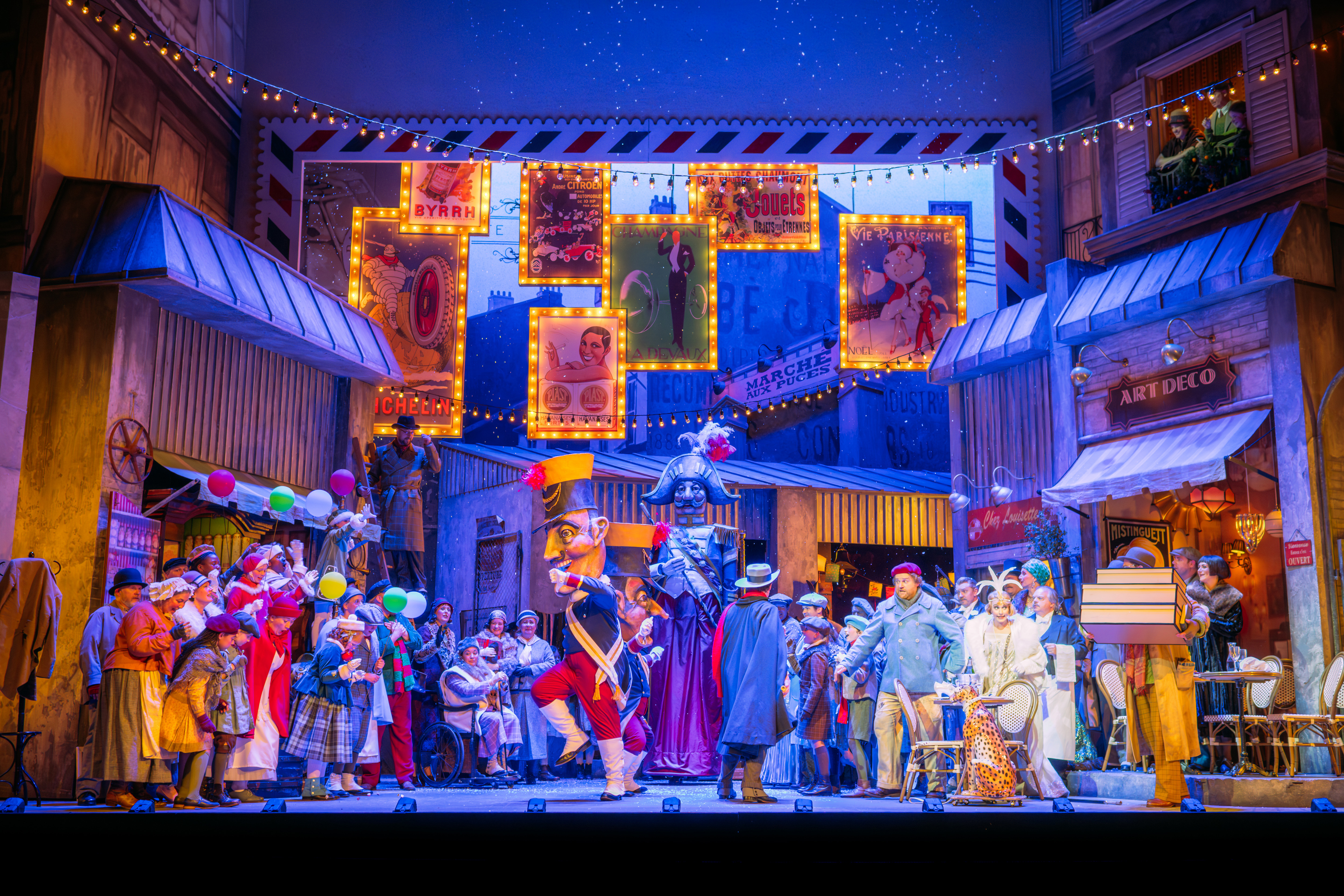
The cast of Puccini's La bohème. Scottish Opera 2025. Credit: Mihaela Bodlovic.
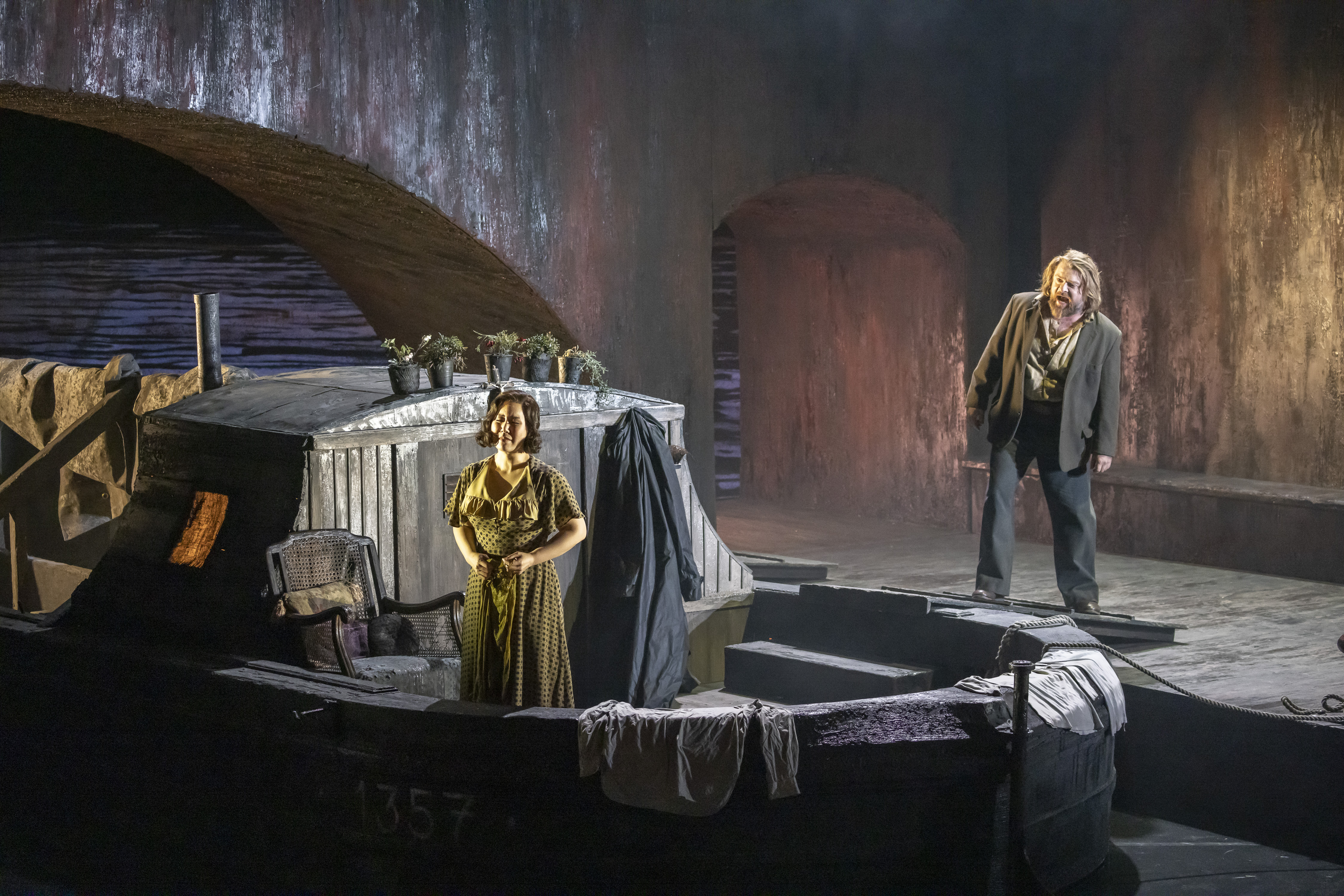
Sunyoung Seo (Giorgetta) and Viktor Antipenko (Luigi) in Il tabarro, part of Puccini's Il trittico. Scottish Opera 2023. Credit: James Glossop.
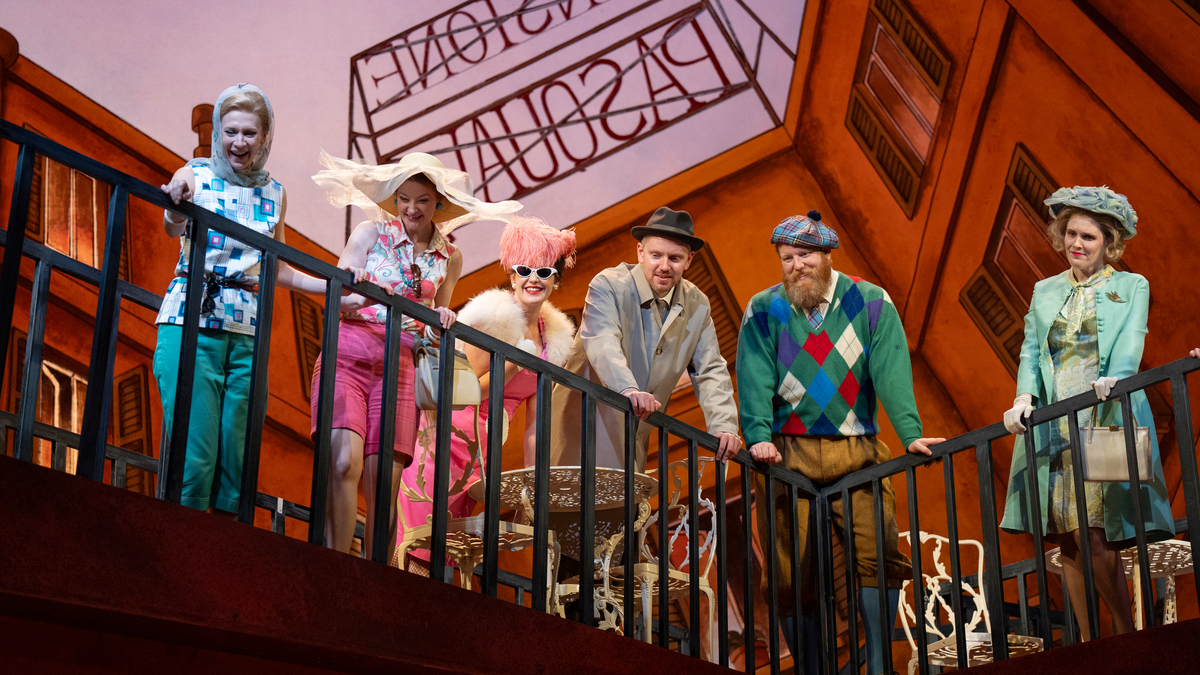
The cast of Donizetti's Don Pasquale. Scottish Opera 2024. Credit: Jane Barlow.
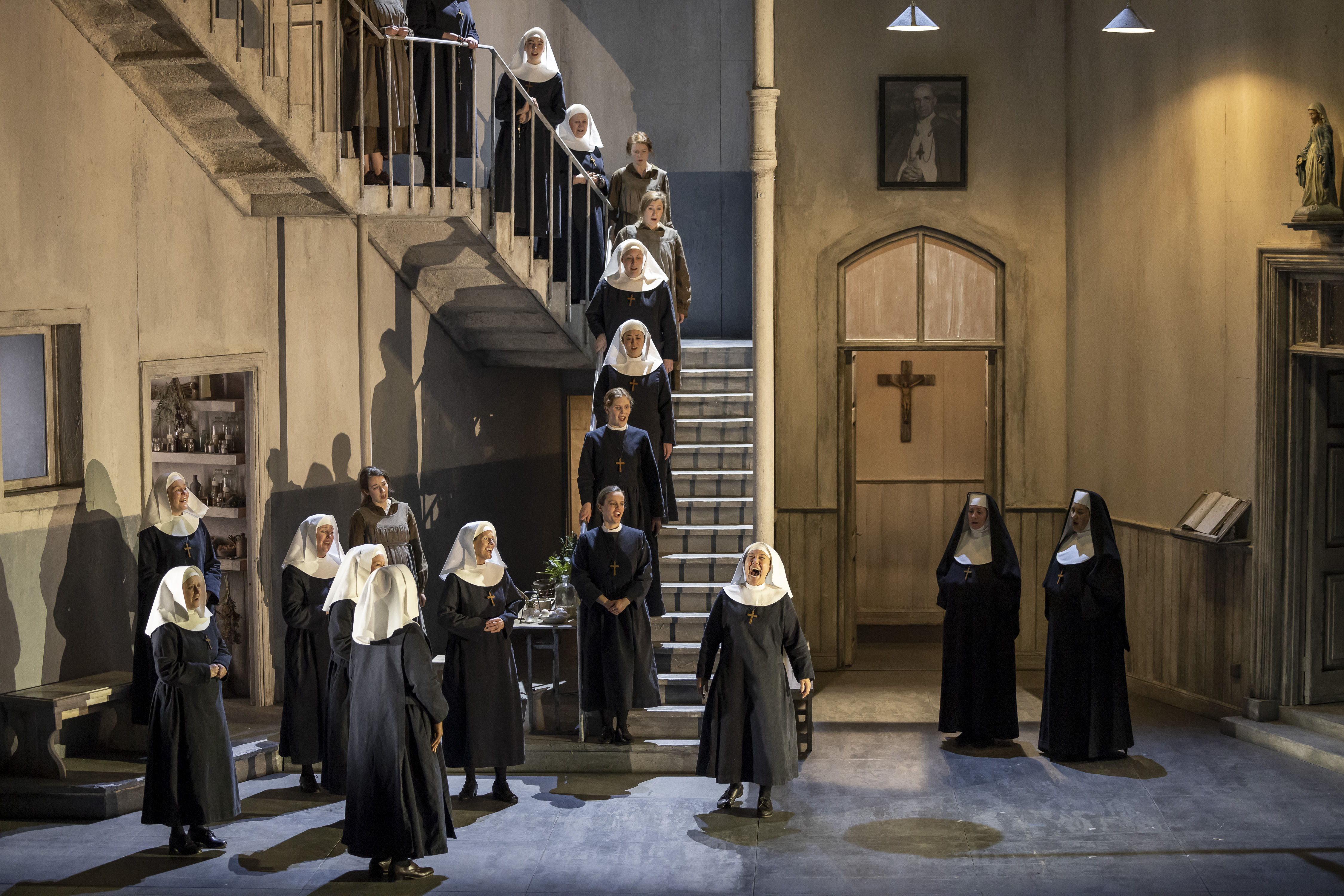
Sunyoung Seo (Sister Angelica) and the cast of Puccini's Suor Angelica, part of Il trittico. Scottish Opera 2023. Credit: James Glossop.
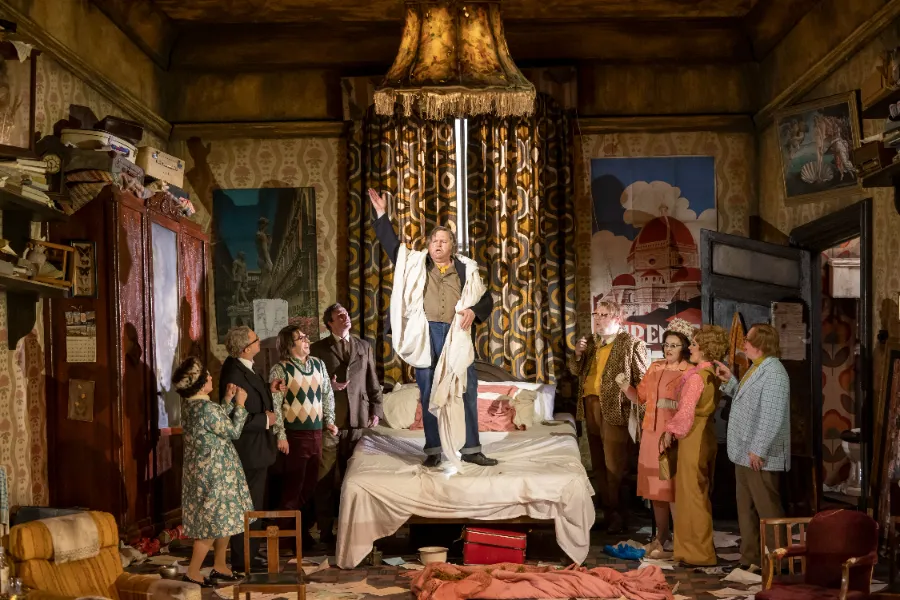
The cast of Gianni Schicchi, part of Puccini's Il trittico. Scottish Opera 2023. Credit: James Glossop.
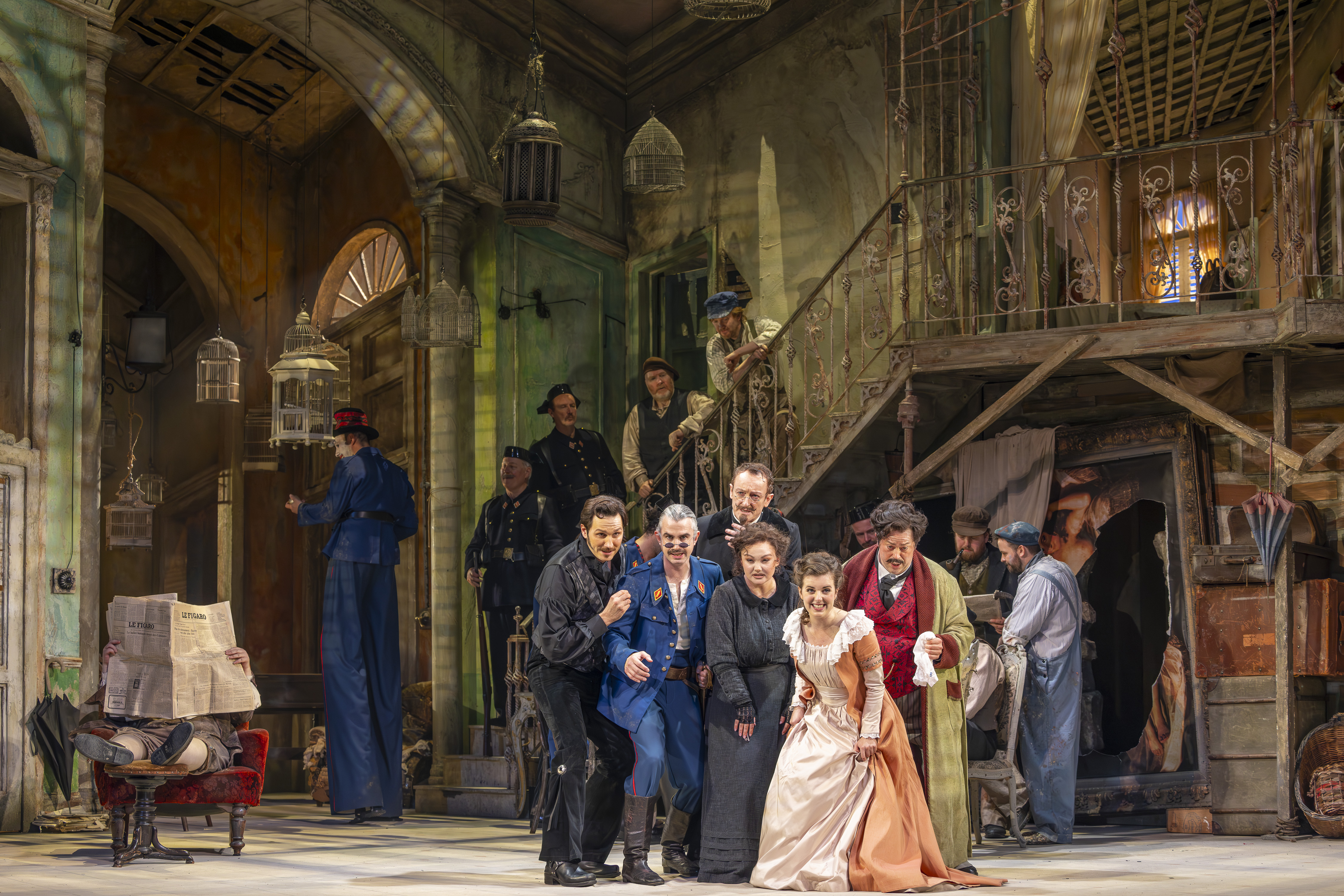
The cast of Rossini's The Barber of Seville. Scottish Opera 2023. Credit: James Glossop.
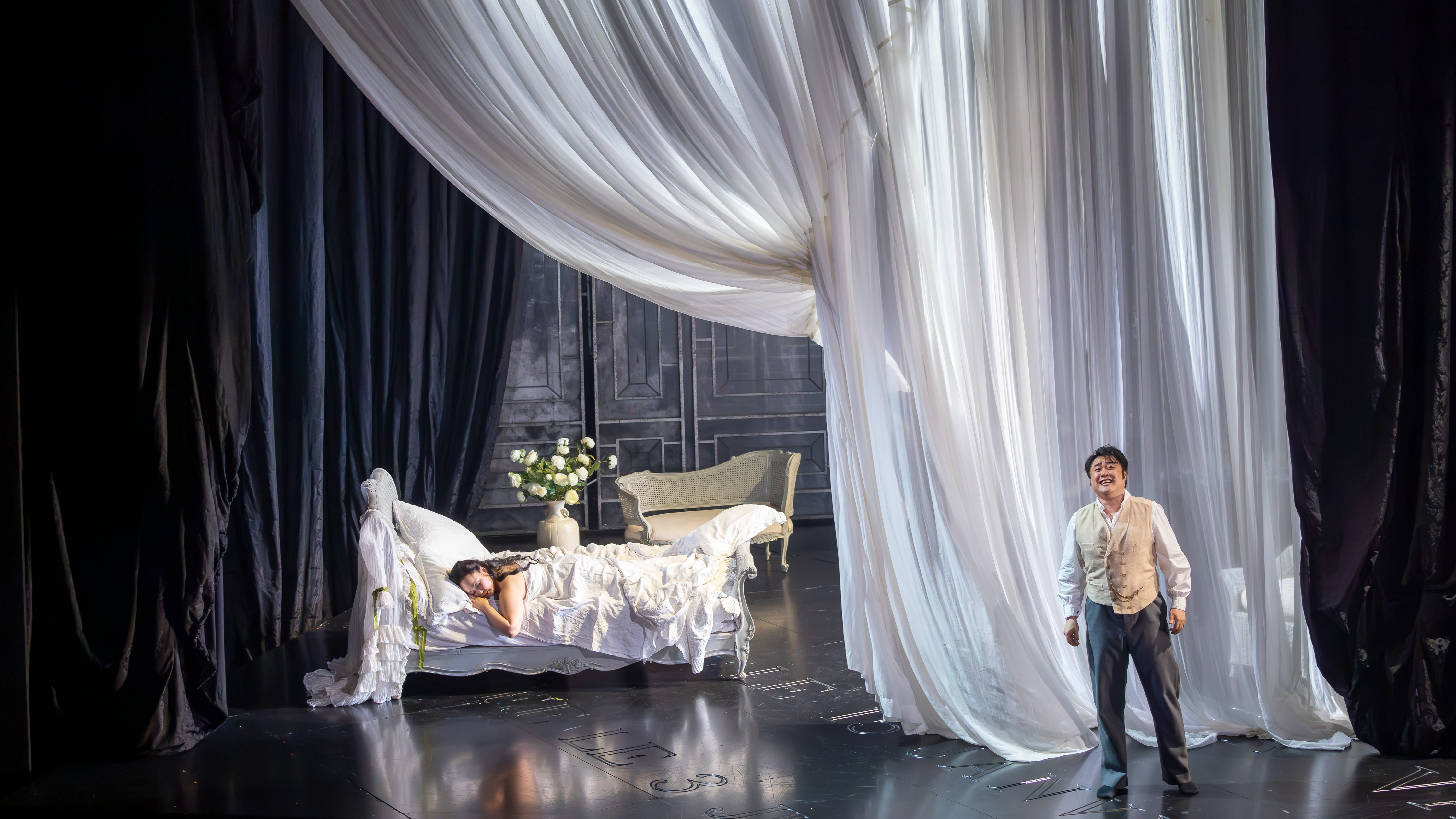
Hye Youn Lee (Violetta Valéry) and Ji Min Park (Alfredo Germont) in Verdi's La Traviata. Scottish Opera 2024. Credit: James Glossop.
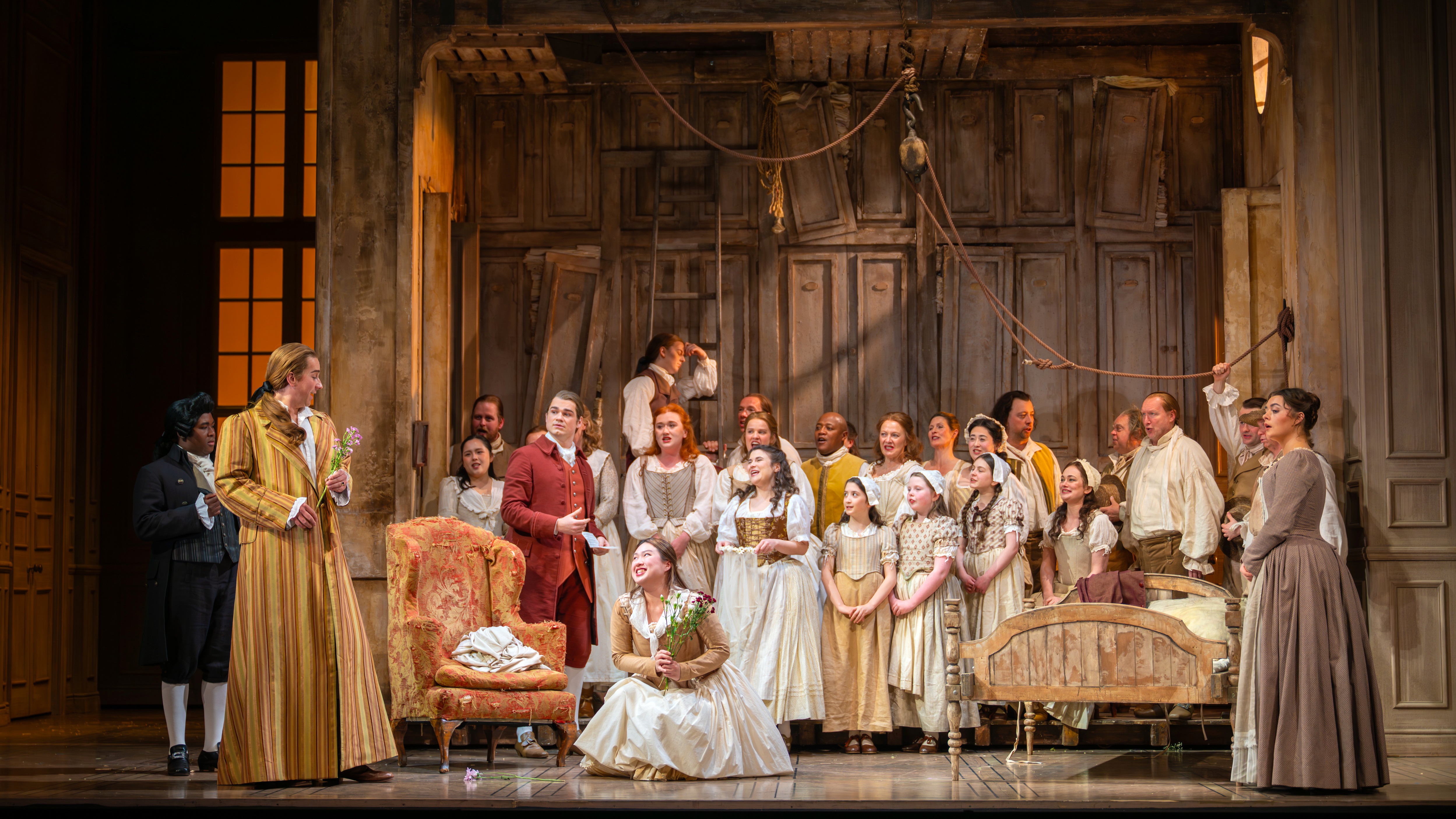
The cast of Mozart's The Marriage of Figaro. Scottish Opera 2026. Credit: Mihaela Bodlovic.

Roland Wood (Scarpia) in Puccini's Tosca. Scottish Opera 2019. Credit: James Glossop.

Lina Johnson (Gilda) in Verdi's Rigoletto. Scottish Opera 2018. Credit: Julie Howden.
Reasons to join
Become a member of the Italian Circle and you’ll:
- Join a community of people who love and value the rich heritage and cultural influence Italy has had on the world of opera.
- Benefit from a priority booking period on our productions. Our supporters are among the first to know what's going on at Scottish Opera so you can secure the seats you want.
- Receive copies of Scottish Opera’s supporters’ magazine, Brio, issued twice per year.
- Enjoy invitations to special events and the behind-the-scenes experiences, including Inside Opera days, talks, recitals and more.
- Attend dress rehearsals and immerse yourself in the action ahead of opening night – as long as you've booked tickets for the production, you'll be offered the chance to attend the dress rehearsal free of charge.
- Receive a 20% discount at the Theatre Royal Glasgow café.
- Pre-order programmes so you receive them ahead of your booked performance.
- Receive an e-birthday card if you choose to share your date of birth with us.
The historical relationship between Italian opera and Scotland
The relationship between Italian opera and Scotland stretches back several centuries, to the 1720s, and has always been a genuine cultural exchange. Italy brought its musicians, singers, composers and distinctive operatic traditions to Scotland. In return, Scotland gave Italian composers its history, literature, landscapes and stories filled with the passion, romance, conflict and tragedy from which great opera is made.
Italian musicians were already helping to shape Scotland’s musical life during the eighteenth century. The composer, teacher and impresario Domenico Corri came to Edinburgh in the 1770s, followed by his brother Natale. The Corri family became highly influential in Scotland as performers, singing teachers, music publishers and concert promoters. Through their work, Scottish audiences were introduced to some of the finest Italian music and performers of the period.
In Glasgow, Italian opera has a history stretching back more than two centuries. In 1810, the celebrated Italian soprano Angelica Catalani appeared at the city’s Theatre Royal. This was not the Theatre Royal we know today, but a magnificent 1,500-seat theatre on Queen Street designed by David Hamilton, close to the present-day Gallery of Modern Art. Opened in 1805 and described as being unequalled outside London, it welcomed one of Europe’s greatest operatic stars to the heart of Glasgow.
The connection continued to grow. In 1827, the celebrated Italian baritone Giuseppe de Begnis brought a company of Italian singers to Edinburgh. Their repertoire included works by Rossini such as The Barber of Seville, The Turk in Italy and The Thieving Magpie. These performances helped establish an appetite for Italian opera in Scotland, which has continued for generations since.
This is not simply a story of Italian opera coming to Scotland. Scotland travelled to Italy too, not necessarily through its people, but through its imagination.
Few figures demonstrate this more powerfully than Sir Walter Scott. His poems and novels captured the imagination of composers across Europe, particularly in Italy. Sir Walter’s influence on opera was extraordinary. Scholars have traced around 90 operas inspired directly or indirectly by his poems and novels, more than 40 of them Italian. His stories inspired Rossini’s La donna del lago, Donizetti’s Lucia di Lammermoor and Elisabetta al castello di Kenilworth, as well as operas by Bellini, Pacini and many others. Ivanhoe and Kenilworth alone each inspired around 11 operatic treatments. Scotland did not simply welcome Italian opera; through Sir Walter, Scotland helped to shape it.
To nineteenth-century Italian composers and audiences, Scotland offered a wonderfully operatic world: mist-covered landscapes, ancient castles, divided families, political rivalry, forbidden love and tragic heroines. In many ways, the emotional drama of Scotland found its natural musical voice in Italian opera.
Get in touch
For more information, please contact Kerry Reich, Patrons and Fundraising Engagement Manager, using the contact form below or by calling 0141 242 0596.